Source Diesel Engine Oil Dipstick for Generators, Trucks, and Farm Equipment
Find 30 verified listings for the diesel engine oil dipstick with options for single or multi-cylinder engines. Buyers can compare specifications like material, surface treatment, and customization availability from suppliers in China.
Key considerations
Products List


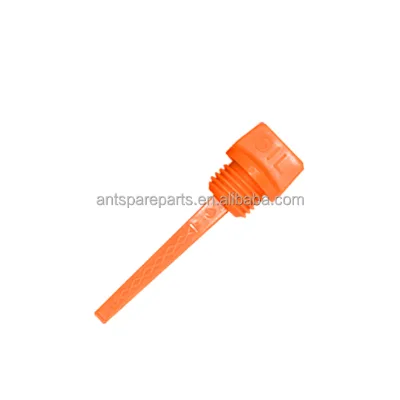


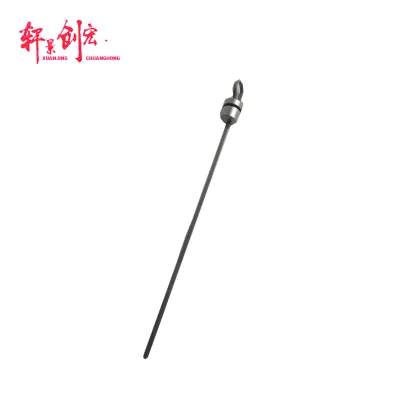


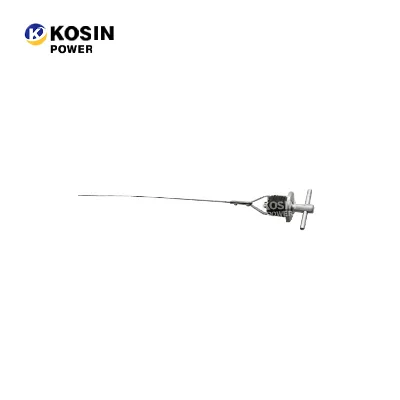
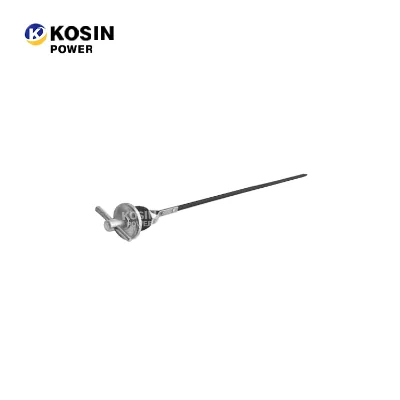


Comprehensive Sourcing Guide
Strategic Sourcing Guide for Diesel Engine Oil Dipsticks
The global demand for diesel engine components continues to expand, driven by the robust requirements of industrial machinery, agricultural equipment, and heavy-duty transportation sectors. Within this vast ecosystem, the oil dipstick serves as a critical, albeit often overlooked, component responsible for ensuring optimal lubrication levels and engine longevity. For procurement professionals, sourcing a diesel engine oil dipstick requires a nuanced understanding of material science, manufacturing tolerances, and supply chain reliability. This guide synthesizes available market data to provide a structured approach for buyers navigating the complex landscape of diesel engine maintenance parts.
Technical Specifications and Material Composition
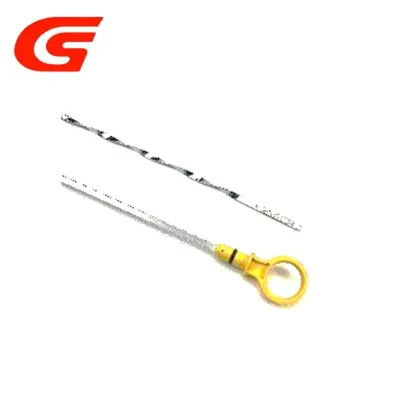
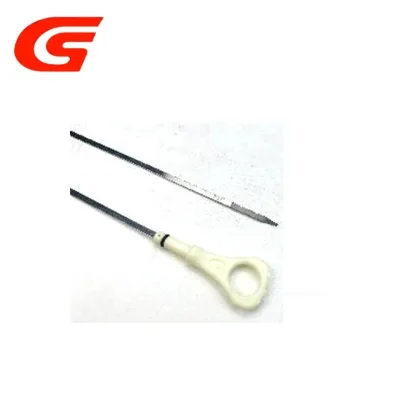
The foundation of a reliable dipstick lies in its technical specifications and the materials from which it is constructed. In the current market, diesel engine oil dipsticks are predominantly manufactured using high-grade metals to withstand the harsh thermal and chemical environments within an engine crankcase. Observed product attributes indicate that metal remains the primary material of choice, offering the necessary rigidity and resistance to corrosion required for long-term operation. However, variations exist where specific components, such as handles or protective tubes, may incorporate stainless steel (SUS 304) or high-carbon steel (65mn) to enhance durability and user safety.
The physical dimensions and model compatibility are equally critical. Market data reveals a diverse range of model numbers, including specific identifiers like 186FA, 1861464, and 1515985, which correspond to various single-cylinder and multi-cylinder diesel engine configurations. Buyers must verify that the selected dipstick matches the specific engine model, as the probe length and diameter must align precisely with the engine's oil pan geometry. Furthermore, the standard packaging dimensions, such as a single package size of 10x10x5 cm, suggest that these components are designed for compact storage and efficient logistics, though bulk packaging on pallets is also available for large-scale industrial orders.
Compliance, Certification, and Standard Verification
Navigating the regulatory landscape is essential for ensuring that sourced components meet international quality benchmarks. While specific certification statuses vary by supplier, the presence of IATF (International Automotive Task Force) certification is a significant indicator of a manufacturer's commitment to automotive-grade quality management systems. For diesel engine applications, compliance with established standards is non-negotiable. Market observations reference standards such as JIS (Japanese Industrial Standards) and universal specifications, which dictate the dimensional tolerances and performance criteria for the dipstick.
Buyers should be vigilant when evaluating the "Standard" attribute, as some listings specify a "Universal" fit, while others adhere to strict national or international standards. It is imperative to request documentation proving that the product conforms to the relevant JIS or equivalent standards before finalizing a purchase. Additionally, the availability of machinery test reports serves as a tangible verification of quality. Some suppliers provide these reports, offering data on the dipstick's performance under stress, while others may not. The absence of a test report does not necessarily indicate a defective product, but it requires the buyer to implement more rigorous incoming quality control measures to mitigate risk.
Cost Drivers and Pricing Dynamics
The pricing structure for diesel engine oil dipsticks is influenced by a complex interplay of factors, including material costs, customization requirements, and order volume. The observed price range in the market spans from $0.29 to $50.00 USD, a wide variance that reflects differences in material quality, manufacturing complexity, and brand positioning. Lower-cost options often utilize standard metal alloys with minimal surface treatment, whereas premium-priced units may feature specialized coatings, stainless steel handles, or custom branding.
Minimum Order Quantity (MOQ) is another significant cost driver. The market exhibits a broad MOQ range, from as low as 1 piece for sampling or small-scale repairs to 1,000 pieces for large industrial contracts. Some suppliers offer an MOQ of 100 pieces, which can be a strategic threshold for small to medium enterprises. Buyers must analyze their total cost of ownership rather than focusing solely on the unit price. A slightly higher unit cost for a dipstick with a longer warranty period or superior surface treatment (such as coating) may result in significant savings by reducing downtime and replacement frequency.
Typical Applications and Engine Compatibility
Understanding the specific applications of diesel engine oil dipsticks is crucial for matching the right component to the right machinery. The primary application for these components is in single-cylinder and multi-cylinder diesel engines, commonly found in agricultural tractors, construction equipment, and small industrial generators. Specific engine models, such as the 186FA, are frequently cited in product listings, indicating a high demand for dipsticks compatible with this specific architecture.
The versatility of the product is further highlighted by the availability of customization options. Buyers can often source dipsticks with customized handles, specific packaging (neutral or branded), and tailored dimensions to fit unique engine designs. The "Car Make" attribute often lists "diesel engine" broadly, suggesting that these components are generic enough to fit a wide array of diesel-powered vehicles and machinery, provided the model number matches. Whether for a 10HP engine or a larger industrial unit, the dipstick must maintain its structural integrity under varying operating conditions, from high-temperature environments to heavy vibration.
Supplier Evaluation and Production Capabilities
Selecting the right supplier requires a deep dive into their production capabilities and quality assurance processes. The manufacturing process for these dipsticks typically involves a combination of plastic injection molding for handles and metal stamping for the probe and tube. This dual-process approach ensures that the final product is both ergonomic and durable. Suppliers located in regions such as Fujian, Hebei, and Jinan in China are prominent sources, leveraging established industrial clusters to offer competitive pricing and efficient logistics.
When evaluating a supplier, buyers should prioritize those who offer a machinery test report and a clear warranty policy. While some suppliers provide a two-year warranty, others may list warranty as unavailable, necessitating a more cautious approach. The condition of the product is universally listed as "New," but the quality tier can vary between "Original" and "Copy." Buyers must explicitly define their requirement for original equipment manufacturer (OEM) quality versus aftermarket alternatives. Furthermore, the availability of a "High Performance" designation suggests that some suppliers focus on enhanced durability and precision, which is vital for critical applications.
Quality Control and Performance Verification
Quality control is the backbone of a successful procurement strategy for diesel engine components. The "Drawing Force" test is a specific attribute observed in the market, indicating that suppliers are measuring the force required to extract the dipstick, ensuring it is neither too loose nor too tight. This metric is critical for user experience and safety, preventing accidental spills or difficulty in checking oil levels. Additionally, the surface treatment process, which may include coating or be left without treatment, directly impacts the dipstick's resistance to oil degradation and corrosion.
Buyers should establish a robust quality control protocol that includes verifying the "Single gross weight" and "Single package size" to ensure consistency across batches. Deviations in weight or dimensions can indicate manufacturing inconsistencies that may affect the fit and function of the dipstick. For high-volume orders, requesting a pre-shipment inspection report is advisable. The presence of a "Machinery Test Report" is a strong positive signal, but its absence should trigger a request for third-party verification. Ensuring that the product meets the specified standard, whether it is a dimensional standard like 453220 or a performance standard, is essential for maintaining engine health.
Long-Term Procurement Considerations
Sourcing diesel engine oil dipsticks is not merely a transactional activity but a strategic decision that impacts long-term operational efficiency. The "Delivery Time" is often listed as negotiable, which offers flexibility for buyers to align shipments with their production schedules. However, reliance on a single supplier can introduce supply chain risks. Diversifying the supplier base across different regions, such as Fujian and Hebei, can mitigate the impact of regional disruptions.
The "Condition" of the product being "New" is a baseline expectation, but the long-term value lies in the durability and reliability of the component. Buyers should consider the total lifecycle cost, including the frequency of replacement and the potential for engine damage due to faulty dipsticks. The availability of customization allows for branding and specific engineering requirements, which can be a competitive advantage for original equipment manufacturers. Ultimately, a successful procurement strategy for diesel engine oil dipsticks balances technical precision, regulatory compliance, and supply chain resilience to ensure uninterrupted operations.
FAQs
What materials are used for diesel engine oil dipsticks?
Diesel engine oil dipsticks are primarily constructed from metal to ensure durability and corrosion resistance. Some models feature handles made of plastic or stainless steel tubes like SUS 304 and 65mn for enhanced user safety and ergonomic grip during operation.
Which engine models are compatible with these dipsticks?
These dipsticks are designed for specific single-cylinder and multi-cylinder diesel engines, including models like 186FA. Buyers must verify the exact engine model number, such as 1861464 or 1515985, to ensure the probe length and diameter match the engine oil pan geometry.
Can I find dipsticks with IATF certification available?
Yes, some suppliers offer diesel engine oil dipsticks that carry IATF certification, indicating adherence to automotive-grade quality management systems. Buyers should request documentation to verify this certification status before purchasing, as it is not present on all listed products.
What is the typical minimum order quantity for these parts?
The minimum order quantity ranges from 1 piece for sampling to 1000 pieces for large industrial contracts. Specific listings may require an MOQ of 100 pieces, allowing flexibility for small repairs or medium-scale procurement depending on the supplier's policy.
How is the quality of the dipstick tested before delivery?
Quality verification often includes a drawing force test to ensure the dipstick fits securely without being too loose or tight. Some suppliers provide machinery test reports to confirm performance under stress, while others may not offer this documentation for every batch.
What packaging options are available for bulk orders?
Packaging varies from individual cartons and bags of five pieces to bulk pallets for large shipments. Options include neutral packaging or customized branding, with single package sizes typically around 10x10x5 cm for efficient storage and logistics handling.
Can I request customization for the dipstick handle or size?
Customization is available for specific requirements such as handle material, surface treatment, or unique dimensions. Buyers can specify details like plastic injection molding for handles or metal stamping for the tube to meet precise engineering needs for their machinery.